Conductive vs. inductive probes
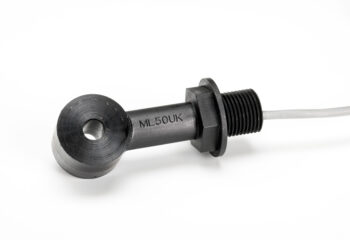
In commercial warewash dosing systems, the main difference between a conductive probe and an inductive probe is how they detect the concentration of detergent in the wash water.
Both can be used to monitor detergent concentration and help a dosing system maintain the required level, but they use different measurement principles.
Conductive probe
Direct electrical contact
A conductive probe measures the electrical conductivity of the wash water using electrodes in direct contact with the liquid. As the concentration of ionic substances increases, conductivity generally increases.
- Simple, compact and generally economical.
- Can be affected by electrode deposits, scaling and corrosion, depending on the materials and conditions.
- Its reading can be influenced by other dissolved substances in the water, not just detergent.

Inductive probe
Electromagnetic measurement
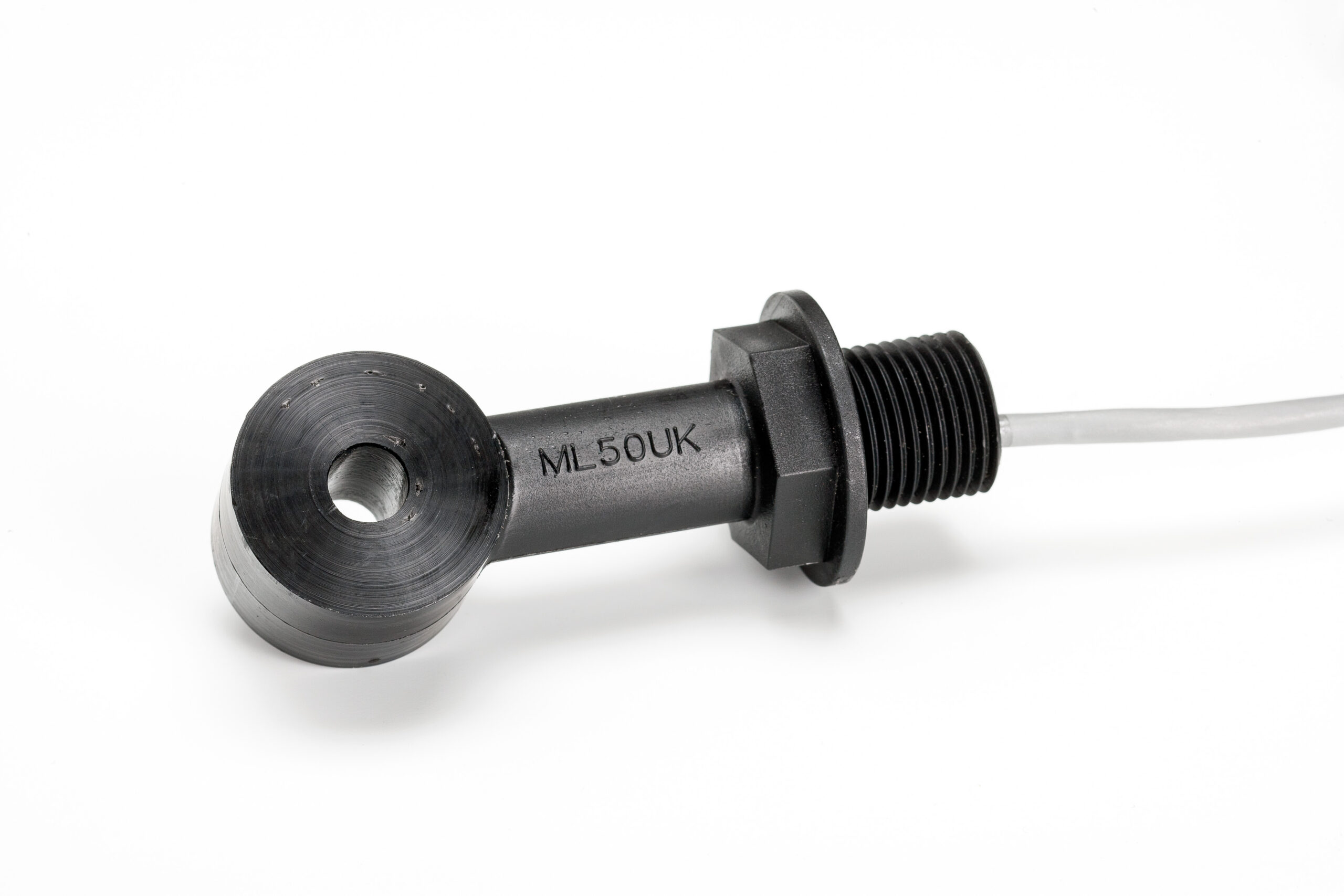
An inductive probe measures conductivity using electromagnetic fields, without requiring exposed electrodes to contact the liquid electrically.
- No exposed measuring electrodes, reducing problems associated with electrode fouling and corrosion.
- Often well suited to demanding applications and liquids that can leave deposits.
- Typically bulkier and more expensive than a basic conductive probe.
Which is better for dishwash applications?
| Feature | Conductive | Inductive |
| Measurement | Electrodes contact the solution | Electromagnetic field |
| Cost | Generally lower | Generally higher |
| Maintenance | May require more electrode cleaning | Usually less affected by electrode fouling |
| Concentrated detergent solutions | Suitable if correctly specified | Often advantageous |
| Chemical resistance | Depends on electrode materials | Depends on sensor body and materials |
| Accuracy | Depends on sensor and application | Depends on sensor and application |
Important for commercial dishwash: conductivity is an indirect indicator of detergent concentration, not a detergent-specific measurement. Water hardness, dissolved salts, rinse water and detergent formulation can all affect the reading. The system needs suitable calibration and temperature compensation to control dosing reliably.